
Late winter is the real test of a wardrobe. Here’s how to stay sharp, warm, and comfortable through the coldest months—without bulky layers or sacrificing elegance.
Estimated reading time: 8–10 minutes
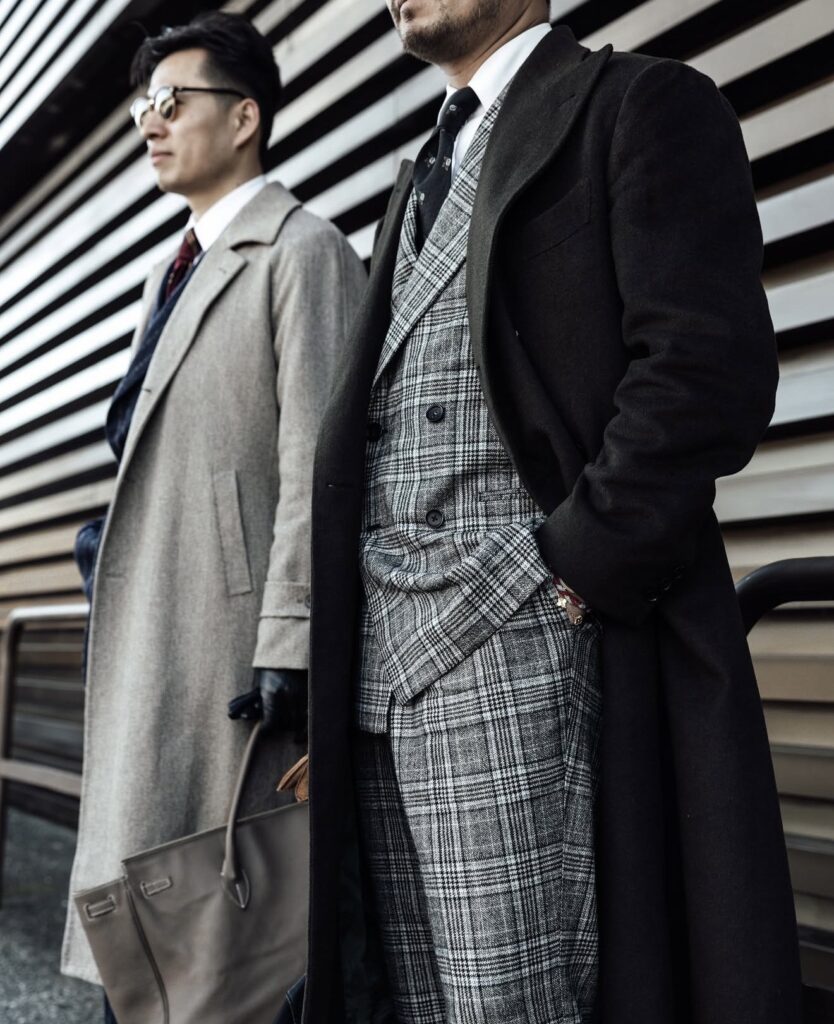
Winter Isn’t Over: How to Dress Sharp, Warm, and Comfortable Through the Coldest Months
By the time January gives way to February, many men are mentally done with winter.
The holidays are behind us. Spring feels close enough to anticipate. And yet—year after year—the coldest, most uncomfortable weeks of the season still lie ahead. February is often harsher than December, not just in temperature but in endurance. This is when poorly planned wardrobes start to fail.
Heavy coats feel bulky. Layering becomes clumsy. Suits wrinkle under sweaters. Comfort is sacrificed in the name of looking “put together,” or worse—style is abandoned altogether.
The truth is simple: winter dressing done well should feel easier, not harder.
This guide is about navigating the coldest months with clarity—understanding how to dress sharp, stay warm, and remain comfortable without excess bulk or compromise. When winter dressing is intentional, it becomes one of the most elegant expressions of menswear.
Why Late Winter Is the Real Test of a Wardrobe
Early winter allows for novelty. New coats, fresh knits, and seasonal excitement mask inefficiencies. Late winter removes that illusion.
By February:
- Temperatures are consistently low
- Weather is unpredictable
- Heavy layers become exhausting
- Poor fabric choices reveal themselves
This is when men realize whether their wardrobe was built thoughtfully—or reactively.
Late winter dressing isn’t about buying more clothing. It’s about using the right pieces in the right way.
The Foundation: Start With the Right Base Layers
The most common winter mistake is starting too heavy, too early.
True warmth comes from layering intelligently, not piling on bulk.
Shirts Matter More Than You Think
A winter-ready shirt should:
- Hold structure under layers
- Regulate temperature
- Feel comfortable throughout long days
Heavier cottons, twills, and brushed fabrics outperform lightweight poplins in winter. A proper shirt anchors everything layered on top of it.
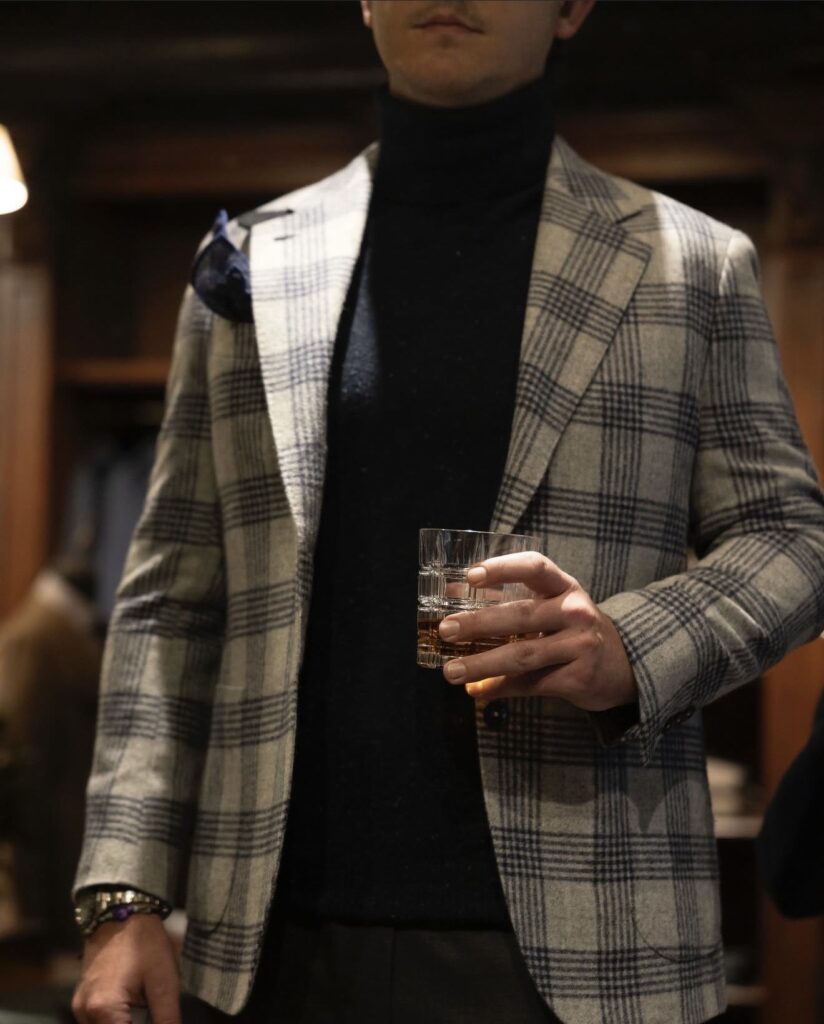
Mid-Layers: Where Comfort and Style Meet
This is where winter wardrobes succeed or fail.
A good mid-layer should:
- Add warmth without volume
- Sit cleanly under tailoring
- Transition seamlessly indoors
Knitwear Done Correctly
Fine-gauge merino, cashmere, or wool-silk blends are ideal. Chunky knits have their place, but they don’t belong under structured jackets.
A well-chosen sweater replaces a vest, adds insulation, and maintains a clean silhouette. This is the difference between looking intentional and looking layered out of necessity.
Winter Suiting: Fabric Is Everything
Many men own suits, but few own winter suits.
A suit designed for colder months should retain warmth, drape cleanly, resist wrinkling, and maintain structure through layering.
Fabrics That Excel in Winter
- Flannel
- Heavier merino wool
- Textured weaves like twill
These fabrics trap warmth naturally while maintaining elegance. Lightweight summer suits worn with heavy layers almost always look strained. A winter suit should feel reassuring when you put it on—not delicate.
Overcoats: Functional Luxury, Not an Afterthought
If there is one winter garment worth getting right, it’s the overcoat.
An overcoat is not just outerwear—it’s the first impression. It’s what people see when you arrive and what they remember when you leave.
What Makes a Great Overcoat
- Proper length (at or just above the knee)
- Structured shoulders
- Enough room to layer underneath
- Natural fibers that insulate and breathe
An overcoat should enhance what’s underneath, not fight it. A proper overcoat solves this instantly.
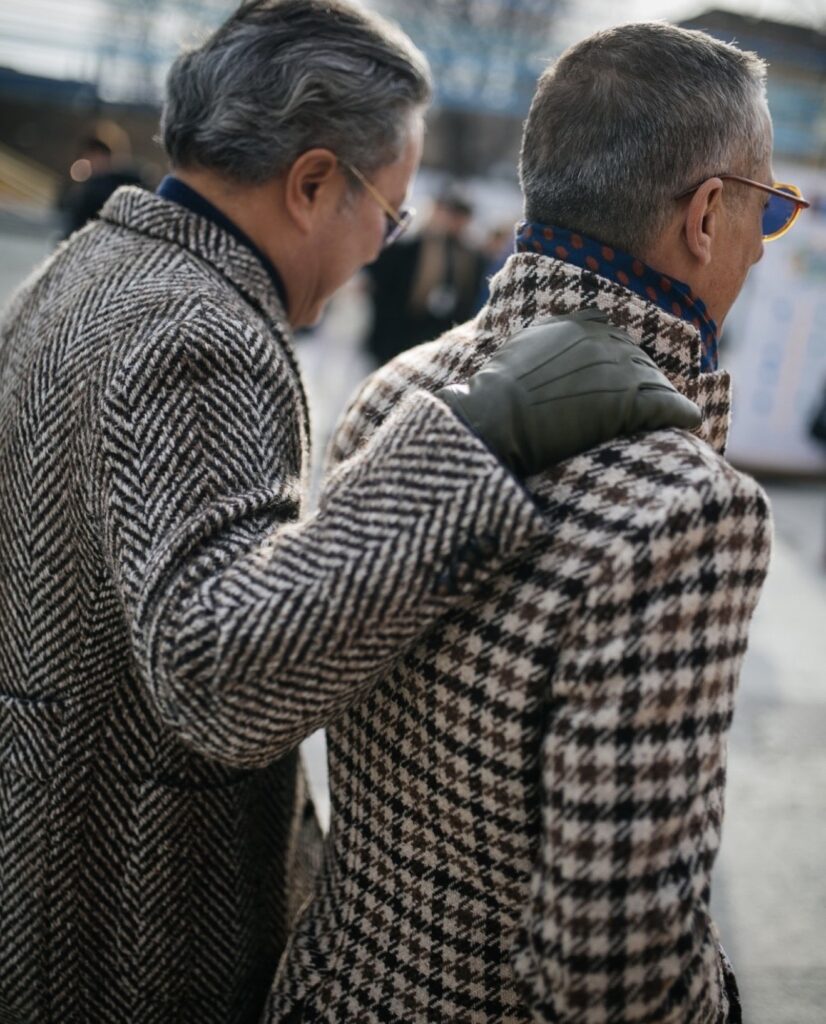
Trousers: The Unsung Hero of Winter Dressing
Cold legs are often the result of poor fabric choices, not temperature. Winter trousers should have weight and structure, drape cleanly, and insulate naturally.
Flannels and heavier wool trousers outperform denim in cold conditions while looking significantly more polished. Paired correctly, they eliminate the need for excessive top layers.
Footwear: Practical Without Looking Practical
Winter footwear doesn’t need to look rugged to be functional. The key is choosing footwear that complements tailored clothing rather than competing with it.
The Indoor–Outdoor Balance
One of winter’s greatest challenges is temperature contrast. You step outside into freezing air, then immediately into overheated interiors. The solution is modular dressing: layers that can be removed easily, fabrics that regulate temperature, and garments that work independently.
Why Fit Matters More in Winter Than Any Other Season
Winter magnifies poor fit. Too tight and layers bind; too loose and silhouettes collapse. Proper fit allows air circulation, clean lines, and comfortable layering—this is why winter is when tailored clothing truly proves its value.
Final Thoughts: Winter Done Right Feels Effortless
The goal of winter dressing isn’t endurance—it’s ease. When fabrics are chosen properly, layers are intentional, and fit is respected, winter becomes one of the most rewarding seasons to dress for.
Related: Week 1 post (“The Well-Dressed Reset”)
If you’d like help building a winter wardrobe that feels sharp and comfortable, start with one simple principle: invest in the pieces that do the hardest work—fit, fabric, and outerwear.