

Posted on Google 

Scott Wilkinson
Trustindex verifies that the original source of the review is Google. Zach and Wade go above and beyond every time you are with them. There knowledge is unparalleled and you never feel pressured during the process. As someone that doesn’t need to dress up all the time, it is important to me to have garments that will hold up over time from both a style and durability standpoint, and Tailored Society does just that!
Posted on Google

Charles Long
Trustindex verifies that the original source of the review is Google. The gentlemen at tailored society are true masters of their craft. Zach and Wade’s extensive knowledge of style and the business behind it really guided me through the process and helped create a suit that is everything I needed. They were able to meet every request I had and even fit it into a quicker than usual timeframe to meet my needs. It’s clear that they focus on delivering a top of the line product but also an experience and community. My suit is really perfect for me and the type of garment that you dream of. I can’t speak highly enough.
Posted on Google

Jeremy Sims
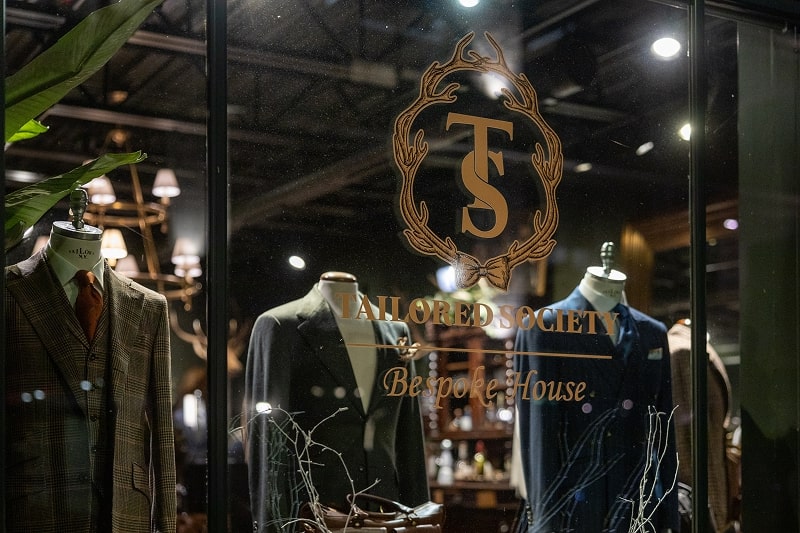
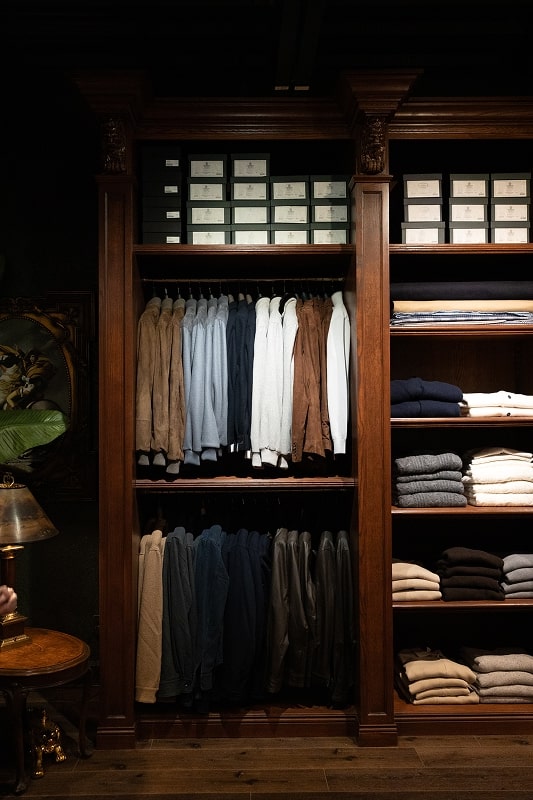
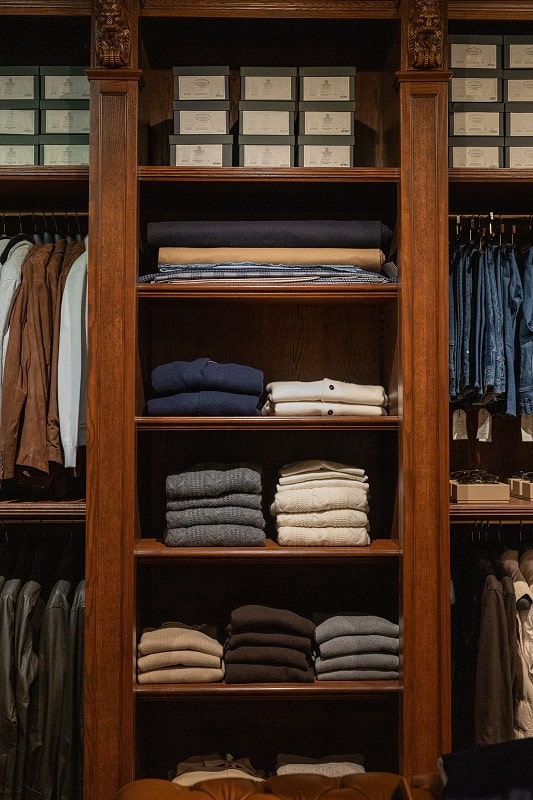
Trustindex verifies that the original source of the review is Google. Wade has provided excellent service in the 4 years I’ve done business with Tailored Society. Its storefront in Carmel is a neat place to hang and check their offerings. I’d recommend TS to anyone looking for a neat experience and quality threads.
Posted on Google

Brian Spaulding
Trustindex verifies that the original source of the review is Google. My wife wanted to give me something unique for Christmas, so she arranged for a custom jacket that ultimately became a custom suit. What I expected to be a simple fitting turned into an exceptional experience. Wade and Zachary took the time to learn about my personality, wardrobe, and style; explain the history and craftsmanship behind the fabrics; and guide me through every detail of the design process. Their knowledge, craftsmanship, passion, and attention to detail are second to none. The final product fits perfectly, but the experience itself was just as impressive. If you're looking for more than just a suit and want something truly tailored to you, I highly recommend Tailored Society. I look forward to continuing our relationship for years to come.
Posted on Google

Jon Skilling
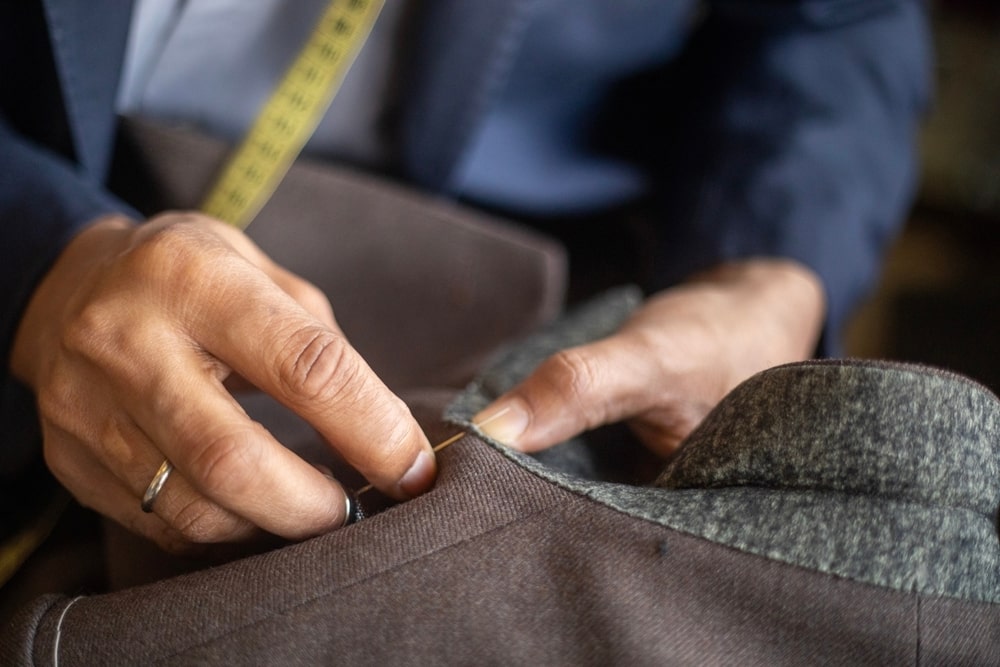
Trustindex verifies that the original source of the review is Google. I've been working with The Tailored Society for five years now, and I get compliments on my suiting constantly. Over that time they've made me suits, a tux, custom pants, shirts, you name it. Every piece fits like it was meant for me, because it was. What sets them apart is the details. The linings, the buttons, the little touches you don't notice until someone else does. That's where their work really comes to life. Zach and Wade are the best in the business. They take the time to understand your style and then elevate it. Five years in, I wouldn't go anywhere else.
Posted on Google

Marcin Zubrowski
Trustindex verifies that the original source of the review is Google. I had my wedding suit made here and I'll gladly come back if I ever need another suit. This was the first time I had a custom suit made and at first I thought the process was going to be daunting and uninteresting. But I found the exact opposite to be true, it ended up being a fun experience. Something I didn't expect to say going into this. Zach and Wade were both a big part in making it fun and they both went beyond what I would have expected. Could not recommend this place anymore if you are in need of a custom suit.
Posted on Google

Jacob Long
Trustindex verifies that the original source of the review is Google. I had my wedding tuxedo made at Tailored Society—a classic black tux with a double-breasted vest—and was really pleased with the experience. Zach and Wade were friendly, professional, and easy to work with from start to finish. They even managed to fit me into a slightly accelerated schedule and handled some last-minute alterations without any hassle, which made a big difference with the wedding timeline. The final result looked sharp and fit beautifully. It’s a premium experience, so plan accordingly on the budget side, but the quality and attention to detail were clearly there. Overall, a top notch choice if you’re looking for a well-made custom suit or tuxedo.
Posted on Google

Collin Cates
Trustindex verifies that the original source of the review is Google. I had the pleasure of working with Tailored Society to get my first tailored suit for my wedding. The entire process was extremely personable while simultaneously holding a great deal of class. From personalizing everything from the fabric to personal fit preferences, they heard me out every step of the way while providing their professional guidance to aid in my decisions. Their passion for their craft greatly assisted in receiving a priceless product in the end. If you want to ensure your next suit will be tailored to your exact style and bring along a great amount of confidence, you’ve found the right spot. Cannot recommend enough!
Posted on Google

Peter Lohman
Trustindex verifies that the original source of the review is Google. Great experience!